

CASE STUDY

AI for critical infrastructure

Technical and functional management of an AI passenger-counting solution: TensorFlow integration, APIs, pilot sites and road-operations readiness.

Mission reference

Cyclope.ai / VINCI Autoroutes

Paris · Field experiments

Road AI, carpooling and operational integration

My role and scope

Position
AI Project Manager – Technical & Functional
Period
November 2019 – July 2020
Scope
Automated passenger counting on critical road infrastructure

2019–2020

assignment period

November 2019 to July 2020.

2

operating contexts

Motorway network and Paris ring road.

TensorFlow

AI experiments

Computer-vision models evaluated on pilot sites.

My responsibility

I connected AI teams, technical partners and operations. My scope covered interfaces, specifications, pilot-site experiments, validation scenarios and operational readiness for a real-time computer-vision solution.

My stakeholders

  • AI and product teams
  • Technical partners
  • Road operations
  • Monitoring and maintenance

Mission geography

Location and scope

Paris

Product, AI and technical-partner coordination.

Organisation

My role in the team

Decision stakeholdersProduct, technical partners and road operations
Aurèle SoyezAI Project Manager – Technical & FunctionalTechnical and functional project management
AI and product teams

Models, functional requirements and experiment validation.

Operations and partners

Interfaces, field work, monitoring and maintenance.

Diagram of functional coordination and delivery responsibilities.

Mission portfolio

Projects and workstreams

Each project explains the need, my responsibility, the work managed and the deliverables.

Automated passenger counting

Turn computer vision into an operational solution for road use.

TensorFlowComputer VisionReal time
Tasks and deliverables : Automated passenger counting
My responsibility

I coordinated functional requirements, interfaces and pilot-site experiments.

Work managed
  • Scope requirements across product, AI and operations.
  • Track TensorFlow experiments and validation scenarios.
  • Account for monitoring, maintenance and real-time constraints.
Deliverables
  • Specifications and validation scenarios
  • Operational readiness and experiment tracking
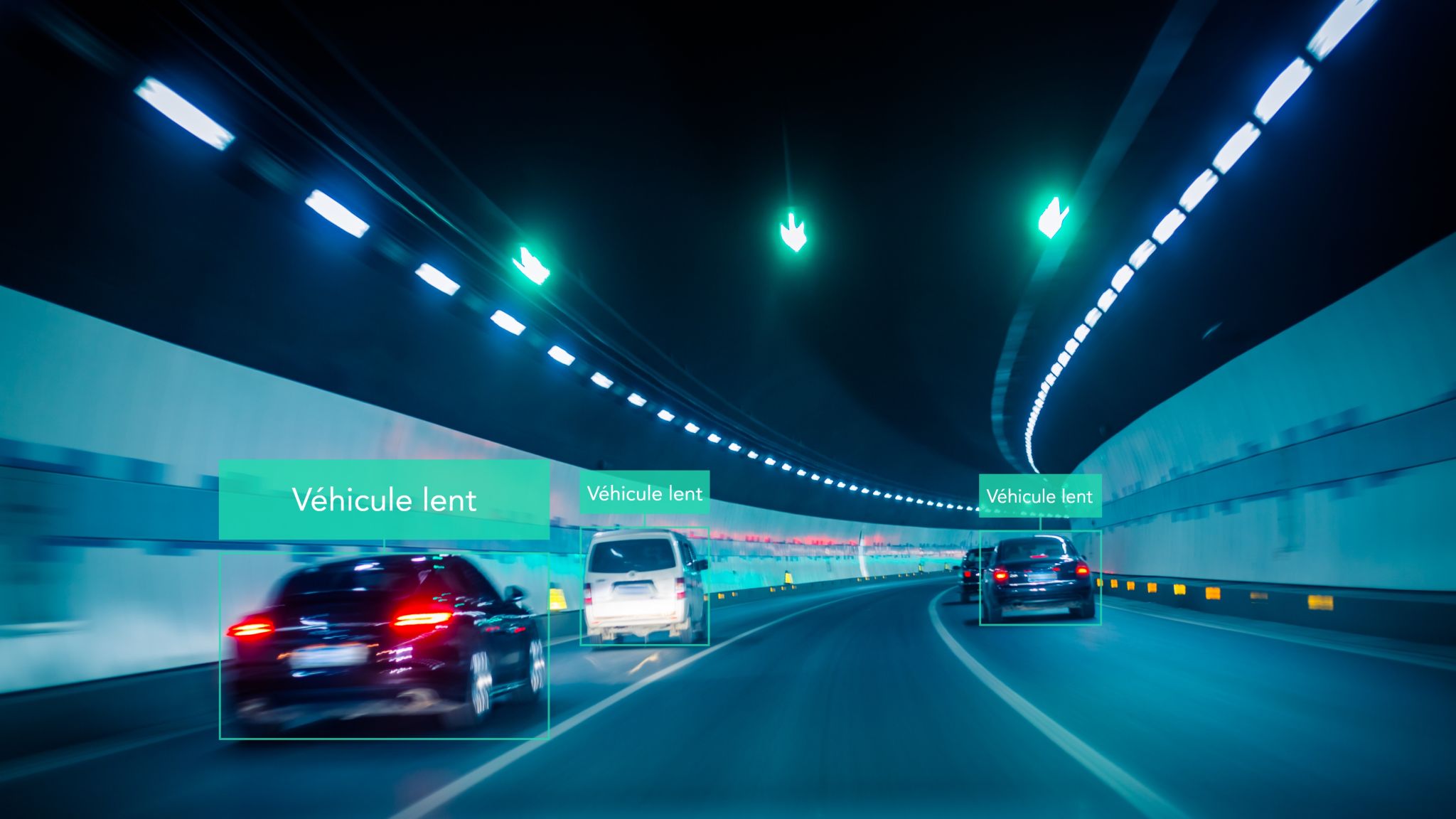
APIs and recognition in the road workflow

Connect AI and recognition components to the tools consuming their outputs.

APIRecognitionMonitoring
Tasks and deliverables : APIs and recognition in the road workflow
My responsibility

I scoped interfaces and coordinated requirements across technical and operational teams.

Work managed
  • Specify data exchanges and dependencies.
  • Formalise requirements and coordinate validations.
  • Track discrepancies between technical results and field use.
Deliverables
  • Interface scoping and specifications
  • Integration-validation tracking

Carpooling systems and roadside displays

Connect detection information with systems supporting road use.

CarpoolingAPIField operations
Tasks and deliverables : Carpooling systems and roadside displays
My responsibility

I coordinated product scope, partners and field-validation conditions.

Work managed
  • Translate use cases into functional requirements.
  • Coordinate system interfaces and dependencies.
  • Prepare acceptance testing and operational requirements.
Deliverables
  • Functional requirements and interface coordination
  • Field-acceptance scenarios

Context

Cyclope.ai / Vinci Autoroutes

At Cyclope.ai / Vinci Autoroutes, the assignment concerned a computer-vision solution for automated passenger counting. The context included the motorway network and Paris ring road, with experiments on pilot sites.

Cyclope.ai / Vinci Autoroutes

The system went beyond the AI model: TensorFlow components, APIs, operational tools and monitoring had to be connected, and the solution’s validation, maintenance and use in a real-time context had to be defined.

Challenge

The need and constraints

The need was to turn a detection capability into an operational solution on critical infrastructure. The model’s value also depended on integration, the availability of information for operations and field-validation conditions.

The challenge lay between teams: make AI constraints understandable to operations, translate field expectations into specifications and test scenarios, and organise a realistic roadmap from experimentation to deployment preparation.

Role

My contribution

Scope solution interfaces

Specify exchanges between AI components, APIs, operational tools and monitoring; formalise functional expectations and technical dependencies.

Coordinate AI experiments

Plan TensorFlow work on pilot sites, coordinate AI teams and partners, and track performance-validation requirements.

Build field validation

Define validation scenarios with operations, organise review of results and discrepancies, and translate findings into actions.

Prepare maintenance and operations

Account for monitoring, maintenance conditions and real-time use in specifications and operational preparation.

Deliverables

What I structured and delivered

  • Functional specifications and AI / API / operations interface scoping
  • Organisation and tracking of pilot-site experiments
  • Performance and field-use validation scenarios
  • Coordination of AI teams, operations and technical partners
  • Preparation of monitoring, maintenance and operational conditions

Impact

Outcome and environment

My contribution focused on integration and operability: connecting the AI product with the systems and teams that must use, test and maintain it. My role was technical and functional project management, with continuous attention to field constraints.

The assignment connected TensorFlow experiments on pilot sites with interface definition, validation scenarios and monitoring, maintenance and operating conditions.

Environment

Computer VisionTensorFlowAPIMonitoringSites pilotesReal timeOperations and maintenance